A reflection on contrast, creativity, and what we chase in the dark In the lead-up…
Rediscovering Creativity: Finding Flow in the Midst of Burnout by Sarah J Brady
Rediscovering Creativity: Finding Flow in the Midst of Burnout
As a teenager, I would lose myself in writing poetry, singing, painting, even the rhythm of printmaking. I’d spend hours baking cakes just for the joy of decorating them, proud of what I’d created. Back then, creativity wasn’t something I had to justify. It was just part of who I was — alive, playful, free.
I was also forever making up plays and performing them with my friends, my sister, cousins, or neighbourhood kids. We’d turn the living room, the backyard, or even the classroom into a stage. The stories would never really end — we’d get so lost in the journey and the characters that we just kept improvising, layering twist after twist. A teacher or parent would eventually clap, trying to signal the end, and I’d protest, “No, wait, it’s not finished yet!” before launching into the next scene. Looking back, I realise it was never about a polished performance. It was about the joy of collective imagination — of being so absorbed in play that time disappeared, of building worlds together just for the sake of it.
And yet here’s the paradox: I would consider myself a creative — and yet for years, I wasn’t honouring that part of me in any way. Creativity was pushed to the edges of my life, allowed to surface only when it was “useful” or when it served others.
It wasn’t until I had children that I stumbled back into that world. I would sit with them for hours, helping build Lego worlds, colouring in, painting, making costumes for school plays. I was surprised by how it felt — the same flow I’d known as a child. My nervous system softened. I felt proud of what I’d made, the same innocent delight as when I was younger. And I realised something profound: no matter how big we get, those feelings never leave us. Creativity is innate.
What Does It Mean to Be Creative?
The word create comes from the Latin creare, meaning “to bring into being, to grow, to produce.” Creativity, then, is not only about art, music, or poetry — it is about making something where there was once nothing. It is the act of giving shape to ideas, feelings, or possibilities.
To be creative is to be alive. It’s the spark that transforms ordinary into extraordinary, chaos into meaning, pain into beauty. When we shut down creativity in our lives, we aren’t just giving up hobbies — we are cutting off an essential source of vitality, resilience, and renewal.
The Cost of Ignoring Our Creative Side
I’ve learned the hard way that when creativity, rest, and balance fall away, burnout takes their place.
The first time I burned out, I remember my kids coming home from school, chattering excitedly about their day. I sat there unable to process a single word. My brain simply couldn’t take it in. I felt vacant, numb, and disconnected — and that scared me.
More recently, it happened again. My daughter was trying to get my attention, talking about things she knew I cared about. I could see her trying, but I couldn’t be present. It was like the words were bouncing off me. Somehow, in that moment, I had a flash of self‑realisation: I was in the depths of another nervous system breakdown. Within days, I resigned from an organisation I was deeply committed to, because I knew I could no longer ignore the signs.
Burnout isn’t just about exhaustion. It’s a collapse of connection — to ourselves, to our loved ones, to life. And that’s when creativity becomes not optional, but essential.
Why Creativity Is Essential in a Heavy World
When we are working in spaces filled with responsibility, injustice, and heartbreak — whether it’s Gaza, Sudan, the Congo, or right here in Australia with the ongoing systemic failures faced by First Nations peoples — the weight can feel unbearable.
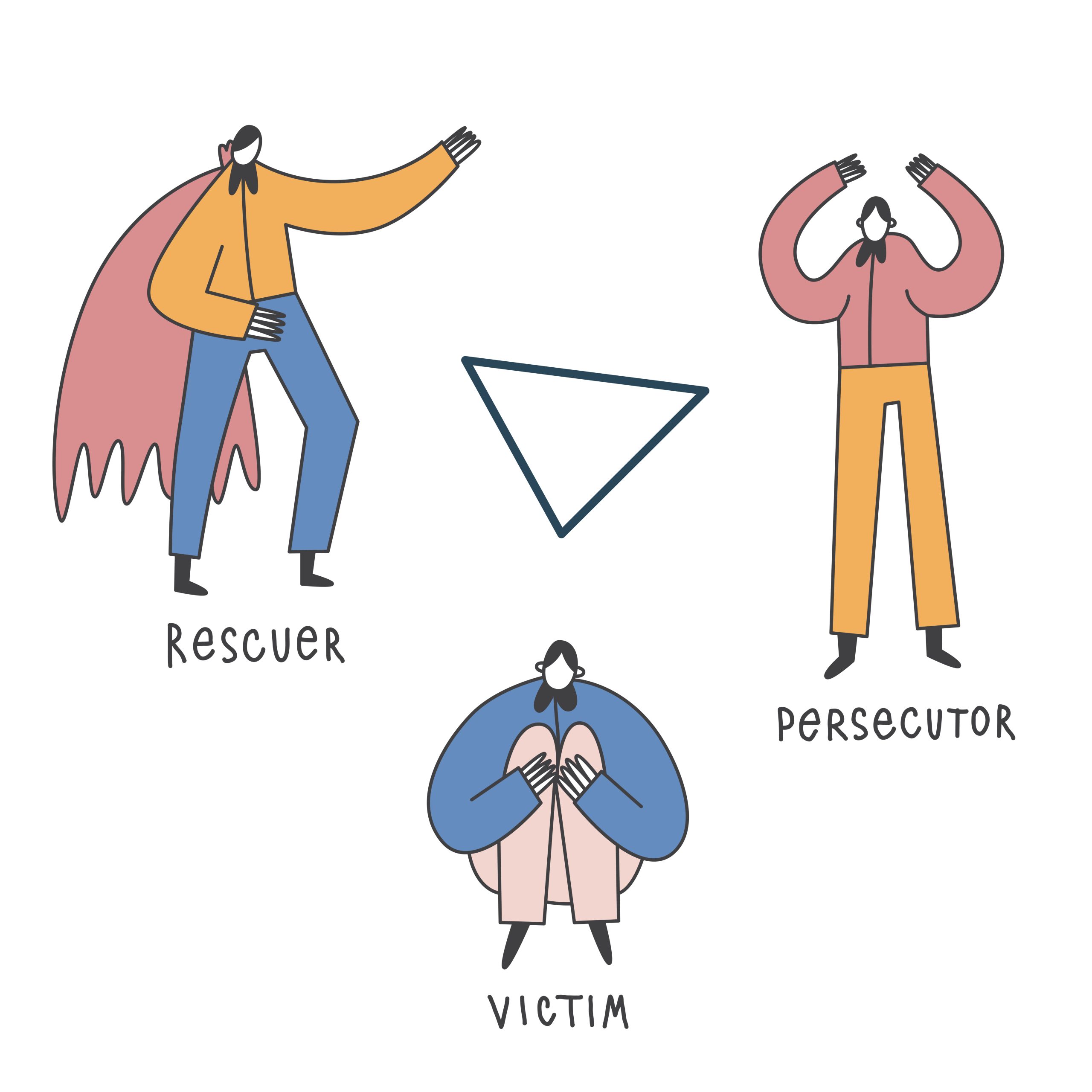
So often, we respond by tightening the cape around our shoulders:
- I’ll rest when this event is over.
- If I don’t do it, no one else will.
- People are relying on me.
I know these thoughts. I’ve lived them. And yet every time I push without pause, my body eventually gives way. Burnout creeps in. The nervous system collapses. The brain fog, exhaustion, stress weight around my belly — the body always tells the truth, even when I don’t want to hear it.
This isn’t just personal. It’s systemic. When communities expect their strongest to never falter, when leaders don’t model rest, when we treat burnout as weakness instead of warning — we fail each other.
A Glimpse of Creativity in Action
Recently, on my daughter’s birthday, we went to a cake painting café with her cousin, who is also her best friend. It was wonderful to watch their unique creativity explode: one being neat and considered, the other free and flowing. Both were in the depths of concentration, joy, and focus — but entirely unique in their approach and outcome.
This is creativity. This is art.
Creativity as a Way Back
When I let myself play — whether through art, baking, music, or even helping my kids paint a cardboard rocket or make costumes out of scraps — I feel something shift.
- It’s balance. Creative flow interrupts the cycle of stress and restores calm.
- It’s resilience. Art, music, and storytelling have always been tools of survival — for First Nations peoples here, and for so many cultures under pressure.
- It’s fuel. The more I allow space for creativity and rest, the more productive, focused, and driven I become. Pushing harder never gave me that.
An Invitation
What did you love to create as a child or teenager? What made you lose time without noticing?
Bring just one of those practices back into your life now — not for Instagram, not for performance, but just for you. You don’t need a whole weekend retreat to get started. Weave creativity into the tiniest pockets of your day:
- Bring a sketchbook or colouring pad to your coffee break.
- Bake something once a week purely for the joy of it.
- Jot down a poem, lyric, or idea in a notebook — no editing, just play.
Because when we weave creativity back into our days, we don’t just recover from burnout. We recover ourselves.
“One person. One action. That’s how change begins.” Maybe today, your action is as simple as colouring for five minutes, writing a line of poetry, or baking something sweet — and remembering who you’ve always been.
If something in this has struck a chord, you don’t have to figure it out alone. In my free 45‑minute consultation, we’ll walk through a Burnout Assessment and talk about what’s going on for you right now — and what a healthier path forward could look like.
Comments

Related Posts