Rediscovering Creativity: Finding Flow in the Midst of Burnout As a teenager, I would lose…
Is It the School Culture That’s the Problem, Or Is It You? by Sarah J Brady
In the dynamic and evolving landscape of education, both self-reflection and systemic examination are essential tools for navigating its complexities. Numerous schools worldwide are grappling with a culture crisis that has left staff members disillusioned and leadership in a state of uncertainty. The pressing question is: what has changed? School administrations persistently consider various strategies to enhance the culture. Could implementing a new yoga program for staff ease the situation, or would granting additional time for report writing and marking prove more beneficial? Where does the school’s responsibility to prevent staff burnout end and where does the individual’s responsibility begin? While these potential remedies might alleviate symptoms of a toxic workplace culture, the root cause often runs deeper and has been compounding for many years. Amid these challenges and misunderstandings, a crucial question arises: is the problem inherent in the school culture, or is it a reflection of ourselves?
The Impact of School Culture
Consider this scenario: you’re trapped in an environment where you feel alienated, unappreciated, and frustrated. Successive leaders arrive, brimming with enthusiasm and novel ideas, eager to make a difference and leave their mark. The issue is, many staff members have witnessed this cycle before—perhaps two bosses ago—and the plans either failed or were discarded by the next leader in favour of their ‘groundbreaking’ approach. Complaints about the new leader’s lack of understanding begin to circulate, resulting in a reluctance to adopt the proposed changes. Concurrently, another group of employees fully embraces the new leader and their vision, keen to demonstrate their compliance and helpfulness. These individuals may have felt marginalised under the previous leadership and now see an opportunity to rise. Those who were allies of the last leader are now resentful of the new favourites and harbour hopes for the new leader’s failure. This cycle repeats, over and over.
School culture—defined by shared beliefs, customs, behaviours, and attitudes—wields a powerful influence. In a healthy state, it can nurture learning, creativity, and collaboration. Conversely, a negative school culture can give rise to dissatisfaction and competitiveness. But is the school culture solely to blame? And crucially, how can we ensure everyone’s inclusion in the journey towards improvement?
Shifting Perspectives: The Personal Equation
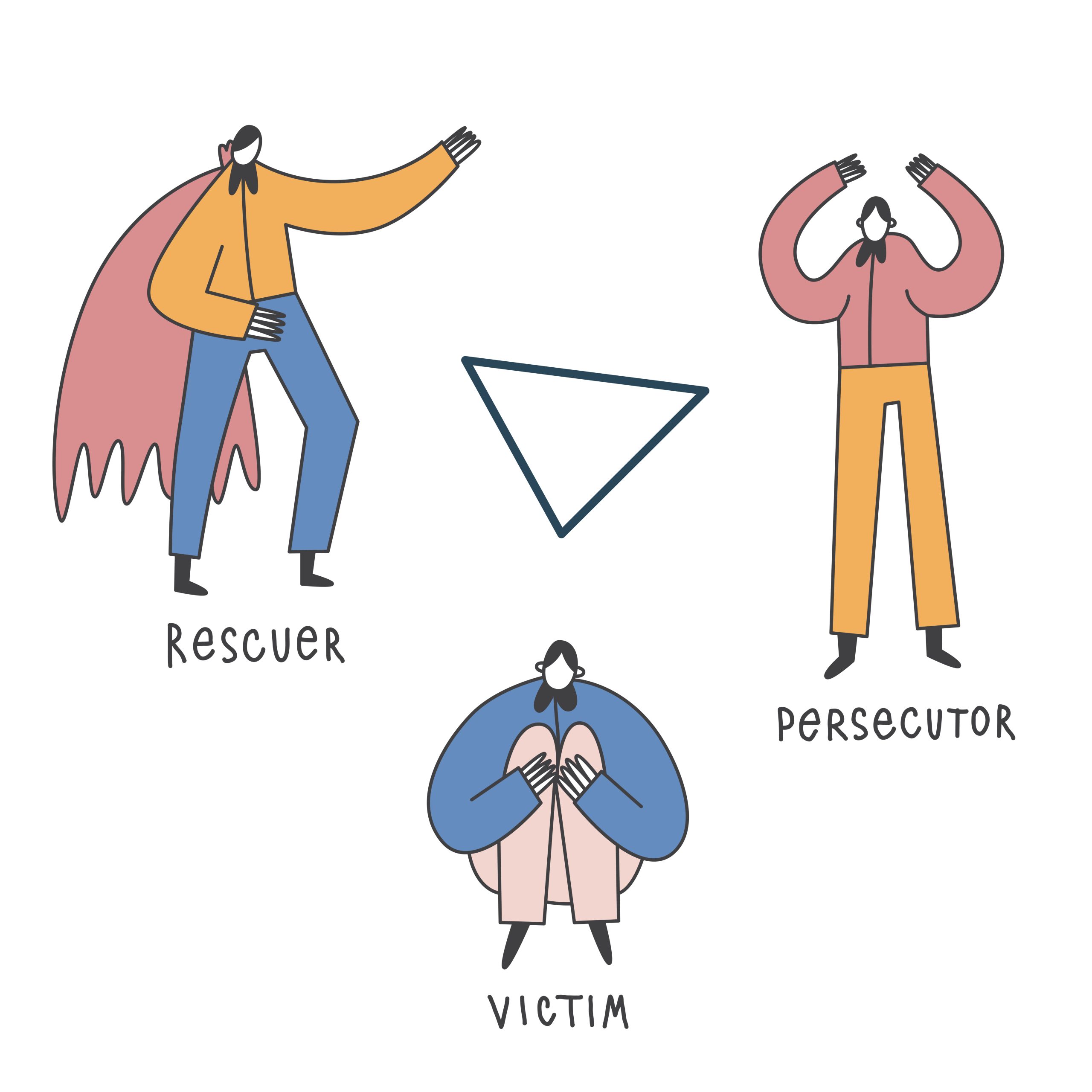
Consider the story of my client, Ange*, an educator who found herself mired in feelings of bitterness and resentment towards her school’s culture. A rocky start with a new leader set a course for escalating tension and distrust. To help Ange navigate these troubled waters, I introduced her to the Karpman Drama Triangle during our sessions. This social model highlights three roles that individuals often assume during conflicts: the victim, the persecutor, and the rescuer.
Recognising the Drama Triangle in Action
The victim feels oppressed and helpless, the persecutor assigns blame, and the rescuer intervenes—often uninvited—which can inadvertently perpetuate the victim’s sense of helplessness. Does the role of the rescuer sound familiar? Ange found herself perpetually on standby, ready to assist others with their issues. She was covering for colleagues, handling an excessive teaching load due to staff shortages, undertaking additional committee work, and constantly saying ‘yes’, even as the burden grew heavier and began impacting her mental health, well-being, and family life.
Interestingly, Ange often complained about helping colleagues, despite offering her assistance voluntarily. She held feelings of superiority, believing others were less competent, and she grew angry and resentful when her suggestions were not adopted. These behaviours all align with the roles defined in the Karpman Drama Triangle. Do you recognise yourself in any of these roles? Acknowledging how you might be contributing to these dynamics can be the first step towards positive change.
The Ripple Effect of Change
Understanding her role in the Drama Triangle was a turning point for Ange. It felt as if the blinders had been removed, and she consciously began to distance herself from the drama. Remarkably, in the days and weeks following our session, Ange noticed significant changes. Staff, parents, and even students began expressing spontaneous and genuine gratitude towards her. While Ange and I had been working together for several weeks by this point, this marked a tangible shift in her journey.
Practical Strategies for Change
– Reflect: Consider if and how you might be contributing to the negativity.
– Balance: Endeavour to offer acknowledgment and support without fuelling the negativity.
– Disengage: Politely decline to participate in toxic behaviours such as gossip.
– Positive Focus: Concentrate on the positive aspects of your environment and colleagues.
So, is the problem rooted in the school culture, or is it within you? The answer is complex and often lies somewhere in the middle. Identifying where the problem originates isn’t about pointing fingers—it’s about understanding the intricate interplay of factors that contribute to our experiences.
Like Ange, recognising our role in a situation can be the spark that ignites change, leading to a healthier work environment and personal growth. Are you feeling stuck, resentful, or overwhelmed by the culture of your school or workplace? There is a way out. Don’t hesitate to seek help. Sometimes, all we need is a fresh perspective to catalyse change. If you’re ready to transform your work experience and relationships, don’t hesitate to get in touch for a consultation today.
As we continue to question, reflect, and strive to create positive, productive, and inclusive environments for all, remember: Self-Care isn’t Selfish—it’s a Service. Empower yourself and inspire a generation. Together, we can build healthier, more supportive school cultures.
* Name changed to protect confidentiality
Comments

Related Posts